
Concrete in Schertz, TX faces intense UV exposure, expansive clay soil cycles, and occasional freeze events. A simple annual maintenance routine keeps surfaces performing reliably for decades.
Spring (March–May) — Inspection and Prep Season
Conduct a Post-Winter Inspection
Walk all concrete surfaces after the last freeze risk passes. Note any new cracks, joint sealant that has pulled away, or panel edges that shifted during freeze-thaw cycles. Photograph and measure any cracks wider than 1/8 inch — these should be sealed before spring rains arrive.
Seal Open Cracks Before Rainy Season
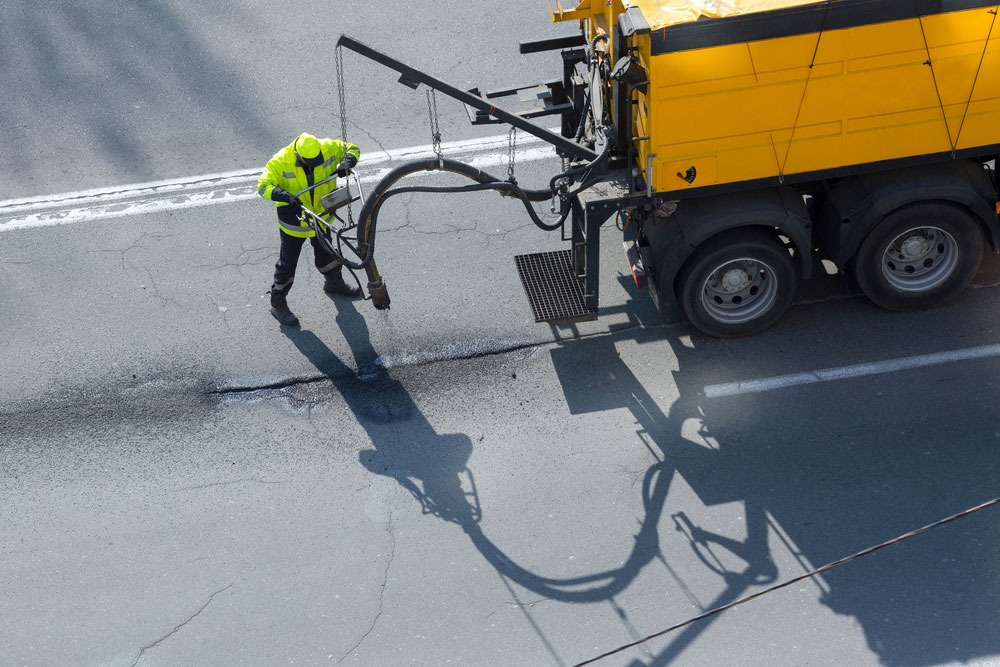
Spring is Schertz’s wettest season. Open cracks allow rain to penetrate the sub-base and accelerate erosion beneath the slab. Sealing cracks now prevents the progressive settlement that leads to expensive repairs. Our concrete repair team handles crack sealing quickly with same-week scheduling in spring.
Check Joint Sealant Condition
Control joint sealant that has cracked, shrunk, or fallen out allows water and root intrusion. Rout and reseal any joints showing significant deterioration before the rainy season begins.
Summer (June–August) — Protect Against Heat Stress
Manage Irrigation Near Concrete
Consistent moisture near driveway and patio edges reduces differential clay shrinkage in summer heat. Avoid directing sprinkler heads directly onto concrete surfaces — ponding water accelerates sealer degradation.
Clean Oil and Chemical Spills Promptly
Automotive oil and pool chemicals penetrate unsealed or degraded sealer and stain concrete permanently. Degrease oil spots with a commercial concrete cleaner and rinse thoroughly.
Evaluate Sealer Condition
If water no longer beads on the surface when splashed, the sealer has degraded. Plan a resealing project for fall when temperatures are more favorable for sealer application and curing.
Fall (September–November) — Resealing and Repair Window
Reseal Driveways and Patios
Fall is the ideal time to reseal Schertz concrete surfaces — temperatures are in the 60s and 70s, ideal for sealer application and cure. Driveways and patios should be resealed every 3–5 years; stamped surfaces every 2–3 years. Our concrete contractors provide professional resealing service that restores color vibrancy and extends surface protection.
Address Repairs Before Winter
Complete any planned crack sealing, slab lifting, or panel replacement before temperatures drop below 50°F. Cold weather slows concrete curing and sealer performance.
Winter (December–February) — Freeze Event Preparedness
Avoid Deicing Salts
Schertz experiences occasional freeze events. Never apply deicing salts or calcium chloride to concrete surfaces — these chemicals cause surface scaling and spalling that accelerates concrete deterioration significantly. Use sand for traction if needed on icy surfaces.
Watch for Freeze-Heave Damage
After any freeze event, inspect concrete surfaces for new cracking or panel movement. Water that entered open cracks before freezing expands and can widen cracks or displace panels. Address any new damage in spring.
5-Year Deep Maintenance Checklist
Every 5 years, conduct a full inspection with a professional: evaluate sub-base condition, reseal all concrete surfaces, rout and reseal all control joints, and address any accumulated settlement before it becomes a structural issue. Contact our Schertz concrete contractors to schedule a professional inspection and maintenance assessment.